PROJECT EXAMPLE – Japanese knotweed herbicide treatment at large port
On this contract we conducted a site survey of 8 sections of the port master-site and treated 90,000 m2 of Japanese knotweed and hybrid knotweed by herbicide spraying.
We’re still dealing with knotweed in winter. Our survey and removal services can be carried out through the winter months to identify and cut down old canes and excavate underground rhizomes.
Although Japanese knotweed does not die off during winter, the leaves drop off in later autumn (as per other deciduous plants), leaving dark, brittle canes standing – a tell-take sign of an infestation. Removal of these often dense stands of canes in winter (referred to as brush cutting or knotweed cane clearance) makes it easier to access the Japanese knotweed affected area come spring for herbicide treatment or planned excavation. Winter brush cutting is often included as part of a knotweed treatment plan, either herbicide or excavation.
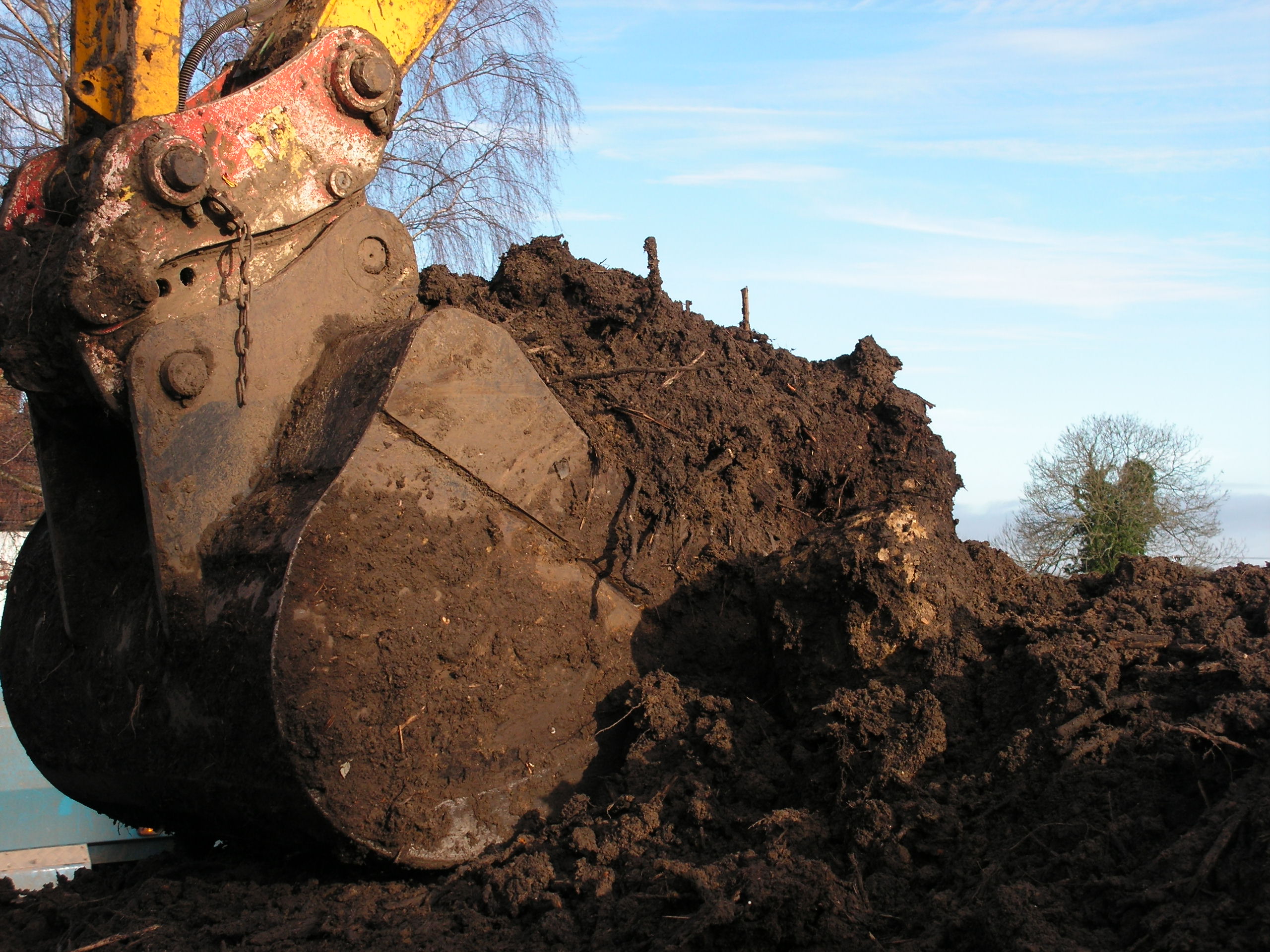
Excavation of Japanese knotweed rhizomes can be carried out year-round, depending on the weather and ground conditions and for commercial clients requiring knotweed removal on development sites or business premises, winter months can sometimes be slower times of year, meaning excavation has less impact on commercial activities, construction schedules and day-to-day operations, making it a perfect time to schedule works.
Homeowners too find it more convenient to schedule surveys and excavations over winter, when they are not out enjoying their gardens. For clients who prefer permanent Japanese knotweed removal solutions like rhizome excavation, getting these works done over winter means that come spring, you can get on with working on your garden with complete peace of mind.
Japanese knotweed leaves fall off in autumn leaving dark, brittle canes standing, or collapsedon the ground – which our highly experienced surveyors can spot even if they are mingled amongst dead folleage and other winter branches. Once the presence of Japanese knotweed is confirmed, our team can look at site-specific treatment plans with you.
Excavations can be carried out year-round, whilst herbicide treatment plans can be booked in for the following Spring, getting a jump on of those who only request surveys and treatments once they notice regrowth.
Removing the season’s Japanese knotweed canes and other overgrown vegetation will give better access to the impacted parts of the site, as well as greater visibility of areas of active regrowth come spring, allowing treatment programmes to progress faster.
Although it seems a simple job, any disturbance of underground rhizomes can lead to the spread of the infestation, so its best left to our expert teams. Additionally, all Japanese knotweed material, including cut-down canes, must be handled correctly and disposed of at a suitably licenced facility, in accordance with UK law.
Excavation is the ideal solution for the rapid and permanent removal of Japanese knotweed infestations on residential and commercial properties and development sites. Subject to weather and ground conditions, excavations on all scales can take place throughout the winter.
As with other Japanese knotweed treatments, excavation of rhizomes should be carried out by experienced professionals. Japanese knotweed rhizome networks can extend up to 7m beyond above-ground plants and will regrow from any fragments left behind. Japanese knotweed contaminated soil disposal needs to be at an appropriate licensed facility and many household waste centres will not accept Japanese knotweed material.
In addition to winter excavation of Japanese knotweed rhizomes, all our knotweed solutions come with addidional support services for construction sites and other commercial clients. These include:
On this contract we conducted a site survey of 8 sections of the port master-site and treated 90,000 m2 of Japanese knotweed and hybrid knotweed by herbicide spraying.
In this article we explain what happens to knotweed in freezing temperatures and why it should be identified in winter - especially for construction works.