

BIOSECURITY SERVICES FOR CONSTRUCTION AND DEVELOPMENT SITES
Complete services from risk management to supervision of excavation works, giving you guaranteed operational compliance during groundworks and other building works on sites with Japanese knotweed.
COMMERCIAL BIOSECURITY SERVICES
Where a developer or main contractor wishes to carry out Japanese knotweed excavation work using their own plant and operators, we can provide a highly qualified site supervisor to oversee operational works (watching brief) to ensure they are carried out correctly. Our highly experienced team can also help with the drafting and implementation of biosecurity plans to help prevent the spread of Japanese knotweed contaminated material to the wider site and the surrounding environment.
We can also assist with the haulage and disposal of controlled waste at a suitable licenced facility and supply of root barriers where appropriate.
WHY YOU CAN TRUST OUR EXPERTS
Our working Site Supervisors have over 12 years’ experience in the Japanese knotweed industry and provide a professional service to ensure the project is compliant with UK law and industry best practice. Where required, we can also assist with drafting site-specific Japanese Knotweed Management Plans and Risk Assessment and Method Statements (RAMS), all in accordance with the Property Care Association (PCA) Code of Practice.
REQUIRE SUPPORT? CONTACT THE TEAM
OUR JAPANESE KNOTWEED BIOSECURITY SERVICES
We offer a comprehensive list of support services aimed at developers and their main contractors, including:
- Pre-construction Japanese knotweed surveys
- Knotweed management plans and site-specific RAMS.
- Biosecurity plans to prevent spread of Japanese Knotweed during site works
- Toolbox talks and guidance for site personnel.
- Watching briefs during excavation, demolition and enabling works.
- Specialist equipment/ machinery wash down.
- Japanese knotweed contaminated soil and material movement controls.
- Site supervision, documentation and compliance support.
- Supply and installation of root barriers.
- Haulage and disposal of controlled waste.
- Waste records management and recording.
- Completion Reporting.

WHY IS BIOSECURITY IMPORTANT?
Japanese knotweed is listed as an invasive non-native species of concern in Schedule 9 of the Wildlife and Countryside Act (1981), meaning it is an offence to allow it to spread into the wild or onto neighbouring land and property (read specific variations of these laws in England/Wales and Scotland). Failure to comply may result in legal action or expensive remediation costs.
Invasive plants like Japanese knotweed are often spread by the movement of people and equipment from place to place. However, the nature of construction sites, with site staff, visitors and their vehicles coming and going; movement of plant about the site and large volumes of material being imported/exported, greatly increases the risk of Japanese knotweed contaminated material spreading beyond the site boundary.
It is therefore important to have and implement a biosecurity plan whenever work is happening on a site with a known or suspected infestation of Japanese knotweed, especially if the site is surrounded by homes or sensitive habitats that need to be protected.

PROJECT EXAMPLE: EXCAVATION WATCHING BRIEF FOR DEVELOPER
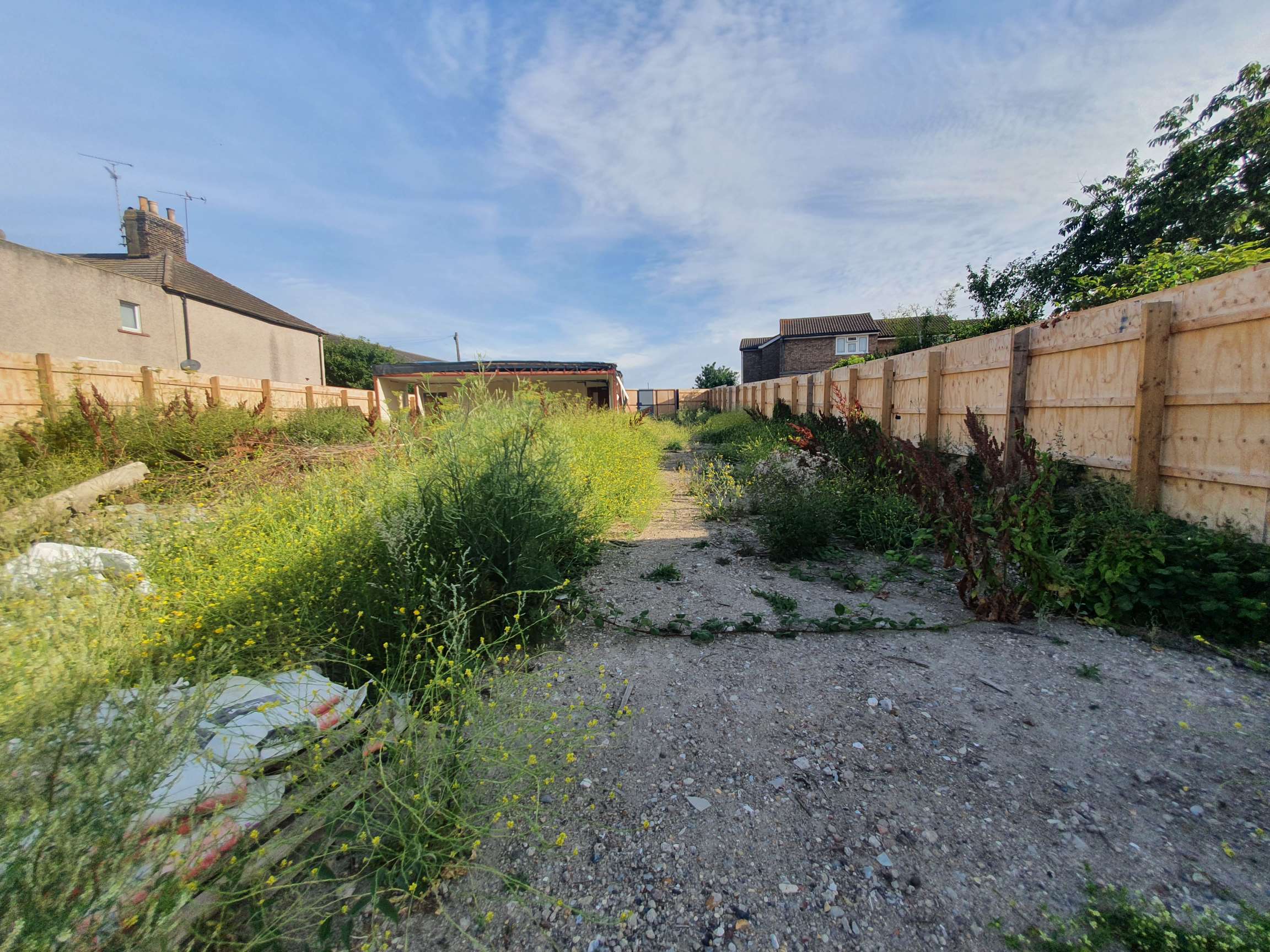
Japanese Knotweed Ltd (JKL) was contracted to provide a Watching Brief service for full excavation and removal of what we estimated would be over 963 tonnes of contaminated soils.
JKL drafted a site-specific specific RAMS and delivered a toolbox talk to the site team to explain the process, procedures, health and safety aspects and biosecurity measures they should follow. Because of depth of excavation – due to the deep rhizome growth, a 4-metre root barrier was required. All underground services had to be capped off before we could carefully excavate around them to enable us to fit the root barrier. Contaminated soils were removed from site and disposed of at a licensed landfill.
Accreditations








Our top clients