A large field construction site

Groundworkers and Civils Contactors: How to avoid delays, costs & compliance risks

If you’re a groundworker or civil engineering contractor or you work with utilities and infrastructure – this information is vital reading for you. It explains the risks associated with Japanese knotweed found on sites, and what you need to do.

SPEAK TO AN EXPERT


Knotweed: A programme risk

As groundworks and civil contractors you are the first professionals on a construction site, responsible for making land safe, stable and compliant for developing. Handling critical below-ground work, including site clearance, excavation, foundation laying, drainage, and utility installation, you’ll need to ensure the site is ready for its structural intended purpose. Japanese knotweed is controlled waste – it is not just an environmental issue – it’s a construction issue too.

Knotweed is a programme risk because once it is found on site your project will need to be stopped and biosecurity measures put in place. This will trigger re-sequencing, and force changes to excavation, haulage, and disposal plans. Even a small outbreak can affect labour, plant, logistics, and handover dates.

If knotweed is discovered after enabling works, excavation, or ground clearance has already started the fastest way to protect time, cost, and compliance is to identify the risk early and put a knotweed strategy in place before it affects site operations. 


A man in overalls walking over a construction site looking for asbestos pieces to pick up

What Happens If Knotweed Is Found on Site?

If knotweed is suspected or identified, it can delay works and project delivery, and if time is tight this can become a critical-path issue for you, your client and any other contractors planned into the programme.

To keep a site moving when knotweed is found, the key is to contain first, then choose the fastest compliant route for control or removal. This means fencing off the affected area, restricting access, briefing the workforce, and preventing soil or plant material being moved around site.

Once knotweed is confirmed by having a professional survey carried out, a management plan will determine whether the best route is excavation, treatment, containment, or even a combination of methods.


Surveyor holding a piece of knotweed root that is beginning to sprout leaves

Managing knotweed on excavation & groundworks

The practical challenge for groundworkers is that cutting, digging, tracking, and stockpiling all create risk of spreading knotweed within the site or even onto other sites, so there needs to be a clear control action from day one. All knotweed material must be handled as controlled waste unless an approved on-site solution applies.

Excavation is usually the faster option for programme delivery, but it comes with removal and disposal compliance. Herbicide treatment is effective long-term and may not suit construction timelines or planned usage, especially where the ground will be developed on.

We’ll work with you to plan the best option to suit the project, budget and site requirements. We’ll provide records of surveys, treatment areas, excavation volumes, transfer notes, and disposal locations. This protects the you, supports client handover, and is evidence that the works were managed responsibly.

 

Japanese knotweed infestation

Keeping projects flowing

It’s not impossible to keep other aspects of the programme moving – where works can continue on another part of the site and outside of the isolated knotweed zone(s) works can be re-sequenced around it. Under a knotweed management plan and with professional guidance from a knotweed contractor, unaffected earthworks, drainage, or substructure works can proceed while the knotweed area is controlled separately.

Fast mitigation steps to take:

  • Stop disturbance in the affected zone with fencing and clearly marked the boundaries.
  • Install ‘restricted-access’ signage and brief operatives so only fully trained staff enter the affected area(s).
  • Pressure-wash equipment leaving the area and do not use tracked vehicles through the infestation where possible.
  • Get an agreed management plan in place as quickly as possible.


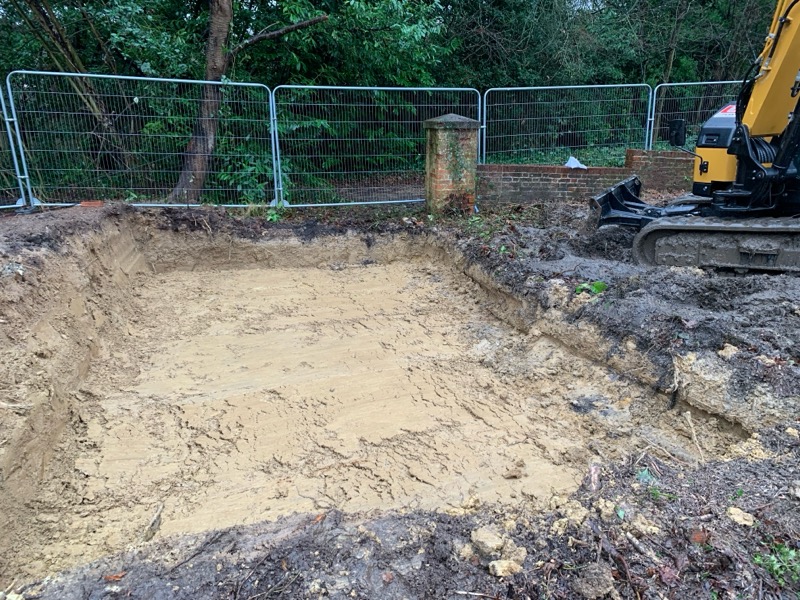
An area of excavated land

What records should be kept?

After knotweed is found, it’s important to keep a clear paper trail showing what was identified, locations it was found in, how it was managed, and where any material and waste was transported to. These files protects the project and the site team, supports compliance, and helps if the issue comes up later in a sale, dispute, or audit.

As a rule, it’s important to keep these records:

  • Identification record, photographic evidence including locations and dates and a marked plan of knotweed sites.

  • Risk or management plan, with the chosen control method, site restrictions, and biosecurity measures.

  • Knotweed Management Plan (KMP) – a record of the schedule, including herbicide treatment dates, excavation dates, burial locations, or containment details.

  • Waste transfer paperwork, waste carrier details, and disposal site details for any contaminated soil or plant material.

  • Monitoring records and follow-up inspections showing whether regrowth has occurred.

In general these records should be kept for the life of the project and for as long as they may be needed to prove compliance or support future property sales, legal issues, or waste queries.


A meeting of people discussing Japanese knotweed law

Key takeout’s

  1. Japanese knotweed is a programme risk, not just an environmental issue. If it is found on site, it can delay excavation, disrupt sequencing, and force changes to site access, haulage, and disposal plans.

  2. The best way to keep a site moving is to contain first and plan fast. Fencing, signage, segregation, and adhering to strict biosecurity measures can let unaffected works continue while the knotweed area is professionally managed.

  3. Excavation and herbicide are the two main control routes. Excavation is usually faster and the preferred option for construction programmes, while herbicide can suit longer-term management and may be better for certain sites.

  4. Knotweed waste must be handled carefully because it is tied to waste and biosecurity compliance. Soil, rhizome fragments, and contaminated material need proper segregation, records, and disposal controls.

  5. Surveys, management plans, treatment logs, waste transfer notes, and monitoring records should be kept long term, ideally (and as a minimum) for the life of the site or project.


Surveyor holding a piece of knotweed root that is beginning to sprout leaves

Fully compliant commercial services

If you are planning or pricing a commercial project, preparing to break ground, or need to deal with knotweed discovered during excavation, early advice can save time and money.

We support commercial groundworkers and civil engineering contractors to protect both project and site with:

  • Knotweed surveys and reports
  • A range of treatment or removal options
  • Watching brief (site supervision)
  • Specialist knotweed removal for environmentally sensitive projects or infrastructure considerations
  • Invasive species support for Groundworkers and Civils teams
  • Fully qualified teams and compliant with all industry regulations and memberships
Underground pipes

HAVE A QUESTION?

CONTACT THE TEAM

Our top clients

Accreditations

The Amenity Standard Logo
SMAS Logo
Acclaim Health & Safety Logo
Trust Mark Logo
Amenity Assured Logo

0333 2414 413