

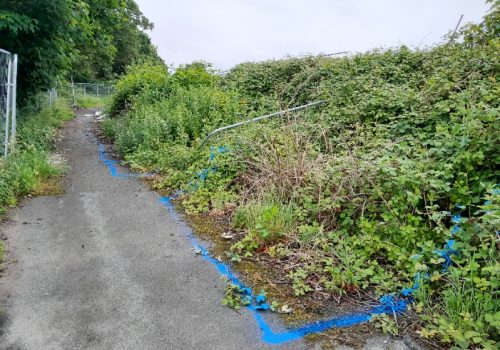
Knotweed removal under expert supervision
We helped a UK house builder remove knotweed from site, because no-one wants knotweed included in their snagging list!
Find out more
See our latest articles below or select a category
We helped a UK house builder remove knotweed from site, because no-one wants knotweed included in their snagging list!
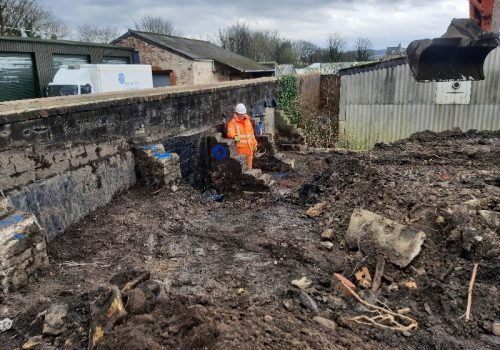
In this commercial excavation project example find out what happens when not just knotweed but asbestos is found on site!

Knotweed thrives on commercial development and construction sites, here we explain some of the key considerations of removing knotweed.
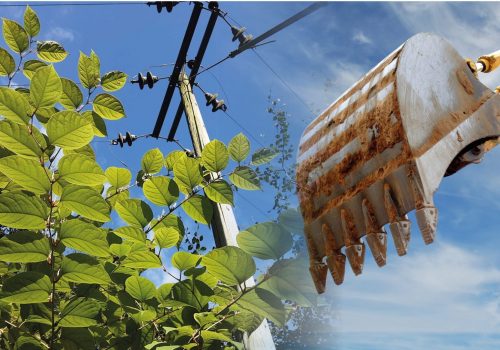
People ask what are Japanese knotweed removal services and how do professionals get rid of knotweed? Here we tell you what you need to know.
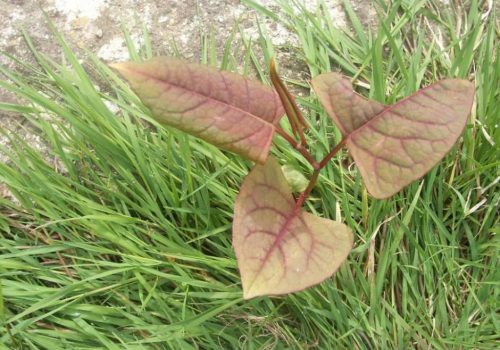
Is it knotweed? What should I do if I have knotweed? Get the answers to these questions with our 3-step KNOTWEED HELP process.

Japanese knotweed removal costs depend on the treatment or excavation method you opt for, and the various considerations we outline in this article.
Ask the experts with this FREE no-fee identification service. Swiftly get the answer you need - is it knotweed?

Yes, for construction and development, a survey is essential to prevent unexpected disruptions or additional costs due to Japanese Knotweed.

Yes, when selling, especially if there's a history or signs of Japanese Knotweed, a survey can provide necessary information for potential buyers.
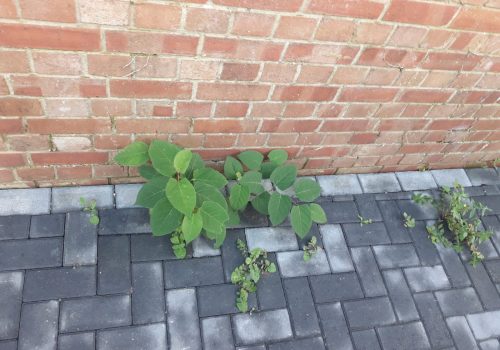
For property buyers, a survey is important to check for Japanese Knotweed, particularly in known infestation areas, to avoid future legal or management issues.
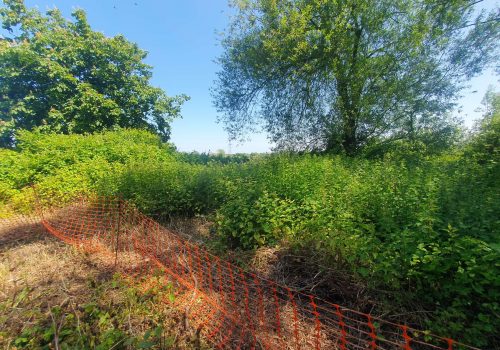
Answering your Japanese knotweed questions including important topics like: When should I get a Japanese knotweed Survey carried out?
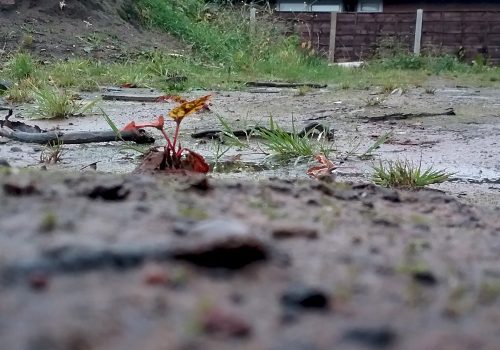
A Japanese Knotweed survey is crucial for accurately differentiating the plant from similar species, understanding the spread of its invasive root system, and formulating effective management strategies.
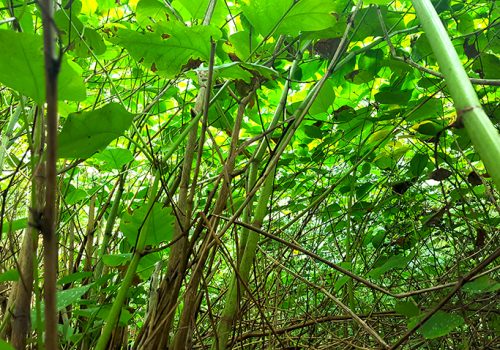
Answering your Japanese knotweed questions including important topics like: What does a knotweed survey include?
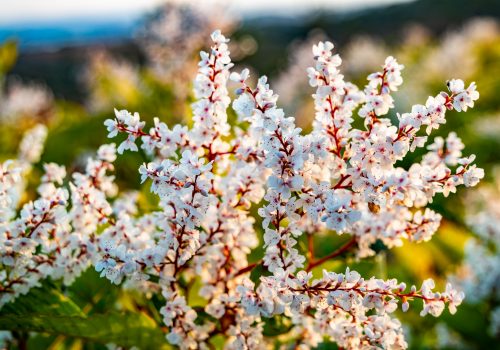
Japanese Knotweed Survey is a specialised inspection by trained professionals to identify the presence, extent, and future risks of Japanese Knotweed on a property or site.
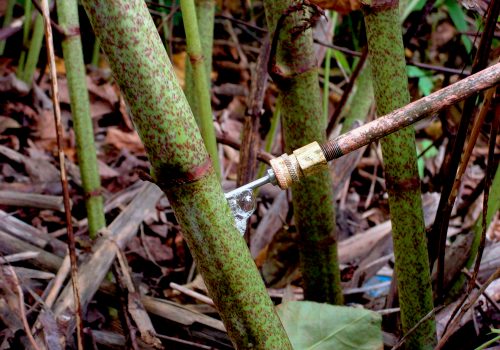
Answering your Japanese knotweed questions including important topics like: What are the key features of Japanese knotweed stems?
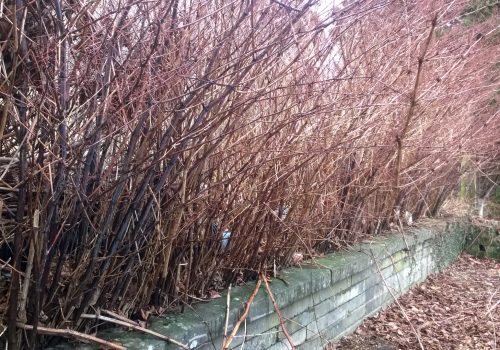
Answering your Japanese knotweed questions including important topics like: How can I identify Japanese knotweed stems in winter?
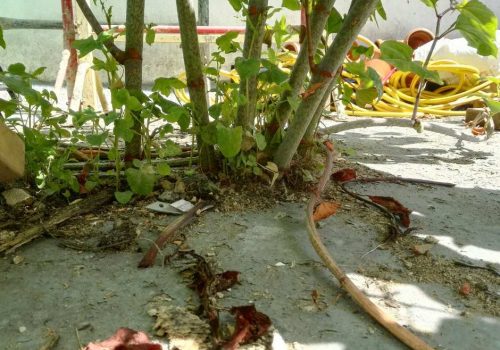
Answering your Japanese knotweed questions including important topics like: How can I identify Japanese knotweed stems in summer?
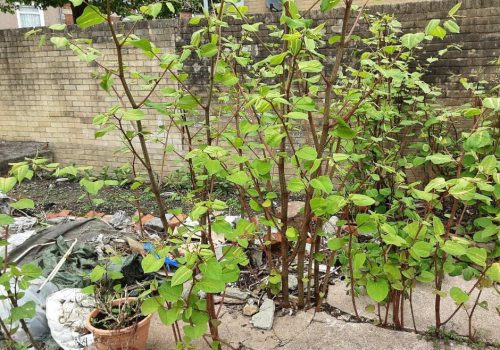
Japanese Knotweed stems, growing 2-3 meters tall, resemble bamboo in summer with distinctive purple speckles and vibrant green leaves at each node. They become hollow as they mature and turn brown and brittle in winter.
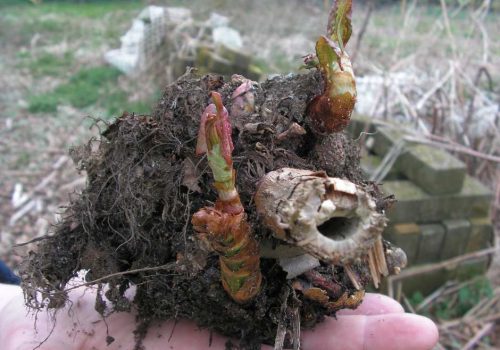
Answering your Japanese knotweed questions including important topics like: What do Japanese knotweed roots look like?
Answering your Japanese knotweed questions including: Why do knotweed roots spread?
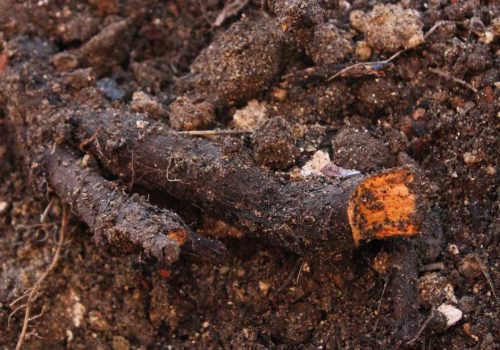
The root system of Japanese Knotweed can grow up to 2 meters deep and extend 7 meters horizontally from the plant, with even small fragments capable of forming new plants.
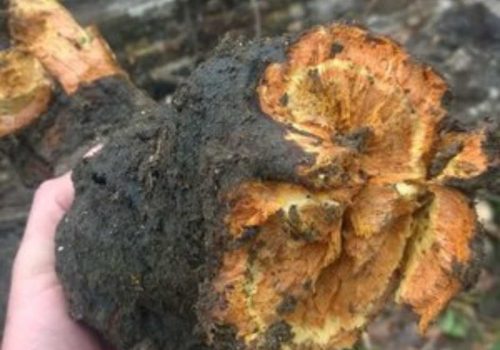
Japanese Knotweed roots, or rhizomes, can be identified by their dark brown exterior and orange/yellow interior. They are brittle and snap easily like a carrot when fresh
Japanese Knotweed typically begins to flower in late summer, around the end of August and early September.
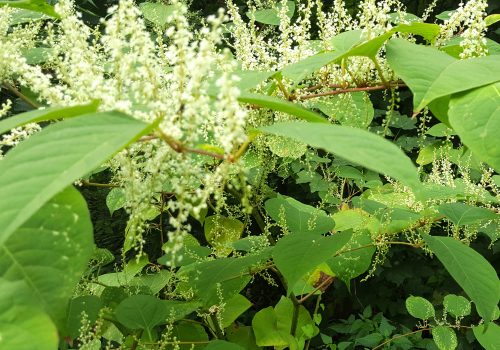
Answering your Japanese Knotweed Questions including this important topic: How can I identify Japanese knotweed flowers?
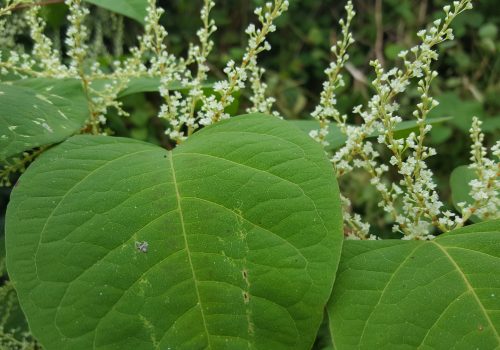
Answering your Japanese knotweed questions including this important topic: Identifying Japanese knotweed by its flowers.

The leaf shape of Japanese Knotweed, being shovel-shaped with pointed tips and a unique stem arrangement, is a key feature for distinguishing it from other similar-looking weeds.

Answering your Japanese knotweed questions including this important topic: What features do Japanese knotweed leaves have?
Answering your Japanese knotweed questions including this important topic: How can I identify Japanese knotweed by its leaves?
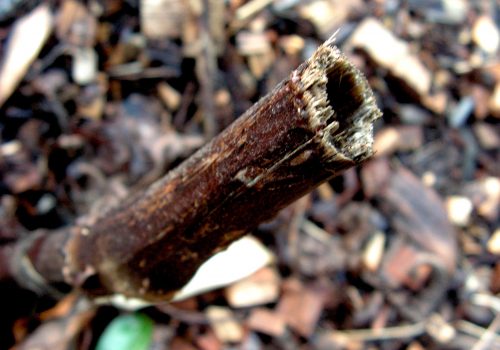
Answering your Japanese Knotweed Questions including this important topic: Why winter is a good time to tackle Japanese Knotweed?

In Winter, identify Japanese Knotweed by its brown, brittle, and erect canes, as the plant loses its leaves and flowers but the shoots remain visible.