

Ben Lindley, Company Director at Japanese Knotweed Ltd. Last reviewed on 18th January 2026.
Japanese Knotweed: Rights and regulations explained
Japanese Knotweed is more than just a plant. It’s a formidable invasive species that poses serious challenges. For commercial businesses, understanding the legal management of Japanese knotweed is crucial. In this article we explain the impact of knotweed, its regulations and your responsibilities should you find knotweed on your business property. Find out the consequences of ignoring knotweed and compliance steps required to manage it.
Let’s begin by stating businesses must be aware of their legal responsibilities with knotweed, as there are specific regulations governing its management. Non-compliance can result in property devaluation, financial penalties and legal liabilities – which can be avoided.
Regular inspections and proactive management are essential. Businesses should develop a comprehensive plan to address known or potential knotweed issues, including professional help for effective control or removal.
This guide will explore the rights and regulations surrounding Japanese knotweed to help businesses protect their properties and avoid legal pitfalls.
Understanding Japanese knotweed and its impact
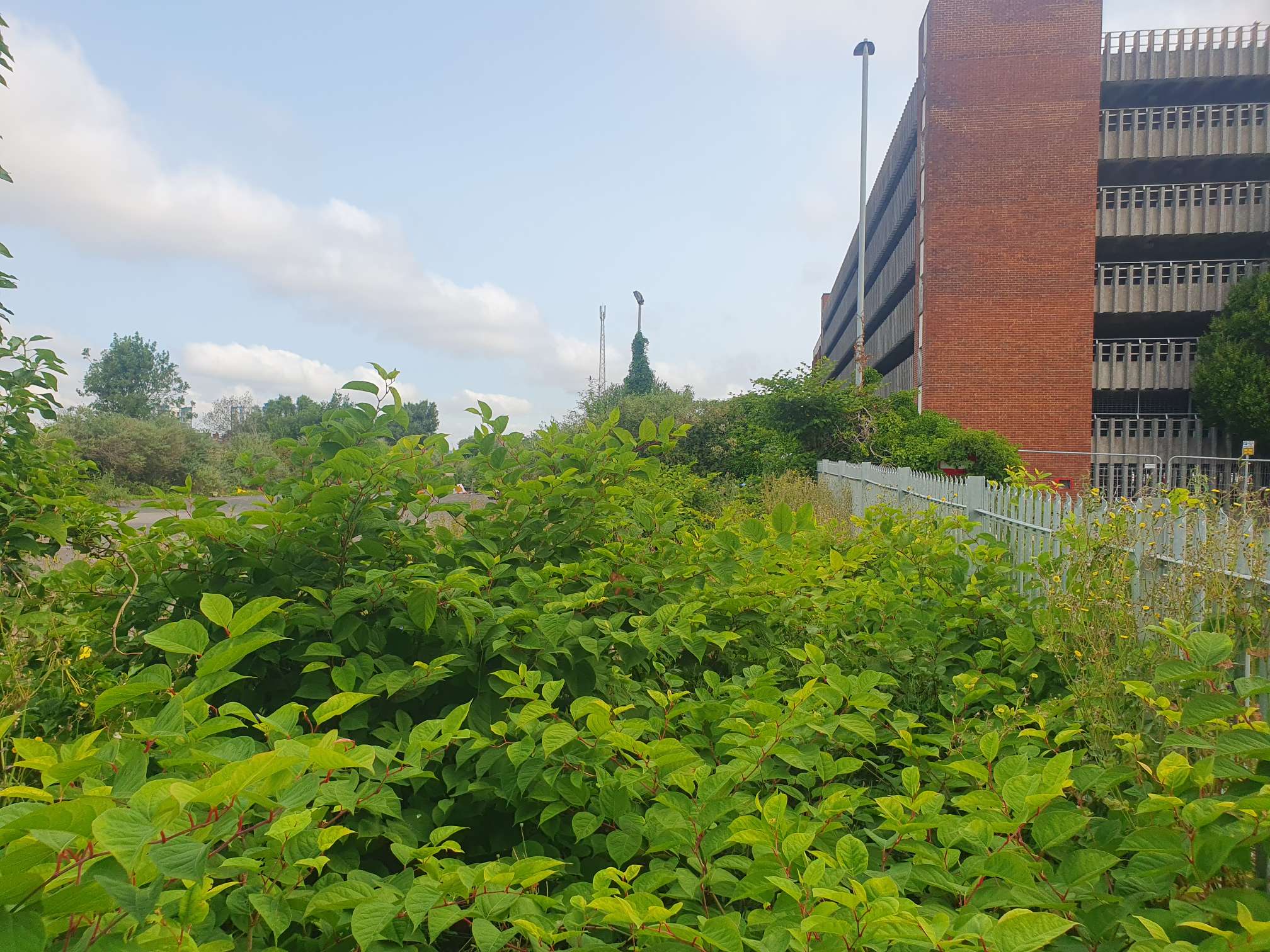
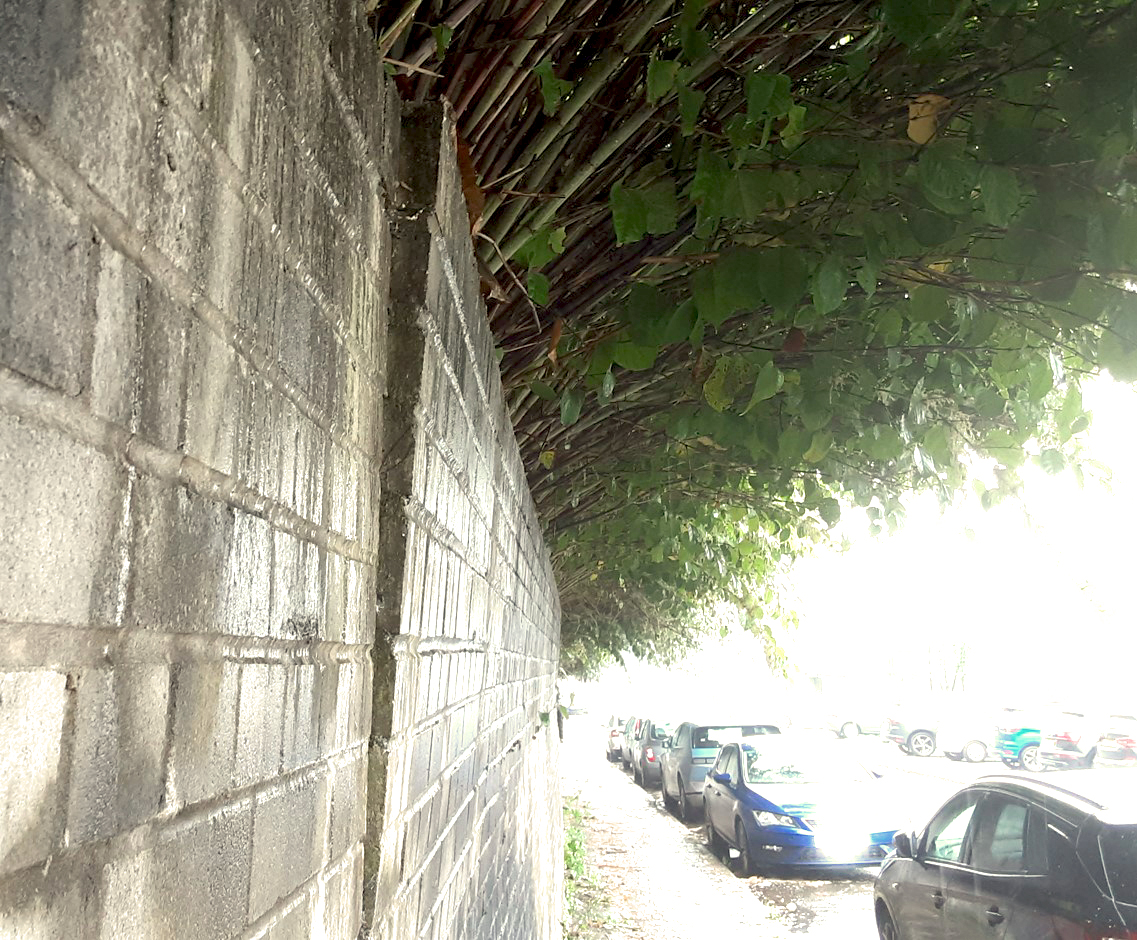
With a vigorous growth pattern, often reaching up to three meters in just a single season knotweed is a serious environmental threat. Its underground rhizomes extend deep, making it hard to remove.
Japanese knotweed’s impact is not just physical but also financial. Properties with infestations can see significant reductions in value. Business operations can suffer disruptions, affecting overall profitability.
There’s no doubt that knotweed poses a complex problem for property developers and managers. Some key impacts include:
- Damage to building structures and infrastructure
- Decreased property values
- Increased maintenance and removal costs
- Legal liabilities if not managed properly
Understanding its behaviour is crucial for effective control. Knotweed thrives in various environments, from urban areas to riverbanks. Prompt action is essential to prevent it from spreading and mitigate its impact. Recognising the signs of an infestation early can save businesses from costly repercussions. Having a positive identification is the first step, this can be done online or by booking a professional survey.
Legal status of Japanese knotweed
Japanese knotweed holds a distinctive legal status being classified as a ‘controlled species’ under Schedule 9 of the Wildlife & Countryside Act, due to its invasive nature. This classification imposes strict regulations on its management and disposal.
In the UK it’s an offense to cause or permit the spread of Japanese knotweed. This includes moving contaminated soil from a site without following proper procedures.
Understanding the legal framework surrounding this plant is crucial for compliance. Businesses need to be aware of specific legal requirements to avoid penalties. Key legal points include:
- Prohibition on planting or causing its spread
- Legal obligations for its control on owned or managed land
- Putting a hold on planned works until remediation is in place
Awareness of these regulations helps businesses navigate potential legal complexities. Non-compliance may lead to legal action, fines, or even remedial costs. Businesses, property owners and managers must be proactive in understanding and adhering to these regulations.
Invasive species regulations for commercial businesses
For commercial businesses, understanding these regulations is pivotal for proper compliance. Ignoring these can result in serious legal and financial repercussions and businesses must stay informed about the latest regulations to ensure compliance.
Key regulations for commercial entities often include:
- Mandatory surveys and site inspections
- Development of a comprehensive management plan
- Documenting knotweed findings
Commercial enterprises should consider these guidelines as part of their property management strategy. Not only do these practices help in avoiding fines, but they also safeguard property value. Adhering to invasive species regulations demonstrates a commitment to environmental responsibilities and sustainable practices. By integrating these into business operations, companies can better manage risks and protect their assets.
Legal responsibilities of commercial property owners
Commercial property owners must understand their legal duties when it comes to Japanese knotweed. Failing to address its presence can lead to significant consequences as they have a legal obligation to prevent its spread to neighbouring land.
Legal responsibilities includes actively managing or removing the infestation. Failure to comply with legal requirements can result in legal action. Local authorities may issue fines or demand removal at the owner’s expense. Being proactive is key to avoiding such penalties.
Property owners should keep a detailed record of their actions against Japanese knotweed. This documentation is crucial in demonstrating compliance and responsibility. Essential steps include:
- Conducting regular property site surveys
- Engaging professional removal services
- Informing neighbouring property owners if knotweed is detected
By fulfilling these responsibilities, commercial property owners not only adhere to legal requirements but also protect their properties from damage. Managing knotweed effectively ensures that property value is preserved and legal risks are minimised.
Consequences of ignoring Japanese knotweed
Ignoring Japanese knotweed can lead to severe repercussions for businesses. Its invasive nature means it can quickly overwhelm properties. This may result in damage to properties that is both costly and difficult to repair.
Legal liabilities are a significant risk when knotweed is untreated. Businesses may face substantial fines from local authorities. Ignoring knotweed can also lead to court cases, especially if it spreads to neighbouring properties.
Real estate transactions become complicated if knotweed is present. Many prospective buyers and tenants are deterred by its presence. As a result, properties may suffer from reduced market value and prolonged vacancies.
Insurance challenges are another consequence. Most insurance policies do not cover damage from invasive species. This forces businesses to bear the financial burden of repairs and removal themselves. Removal work should come with an insurance backed guarantee to cover any future occurrences.
For businesses seeking financial assistance or loans, the presence of knotweed can be an obstacle. Lenders often perceive the plant as a liability. This can lead to higher interest rates or outright loan refusals.
Hence, ignoring Japanese knotweed can lead to:
- Structural repairs
- Legal and financial penalties
- Reduced property value
- Increased insurance costs
- Lending restrictions
Recognising these consequences, it’s evident why active management is essential. Businesses that address knotweed issues head-on can avoid these pitfalls. Early intervention prevents extensive damage and legal troubles.
Case law and precedents: Key legal rulings
Legal cases involving Japanese knotweed have set important precedents. These rulings guide how businesses should manage knotweed, and understanding these cases can help businesses avoid similar pitfalls.
One landmark case in the UK involved homeowners successfully suing a railway company. The company failed to contain knotweed spreading onto their land. The court ruled the company was liable for the nuisance caused.
Significant rulings emphasise the duty to prevent knotweed from spreading. Businesses must take proactive steps or risk legal action. In some cases compensation can be awarded.
Key legal principles established by case law include:
- Duty to manage and control knotweed
- Liability for spreading
- Right to claim compensation
- Legal consequences for neglect
- Importance of professional management
These highlight the significance of addressing knotweed and demonstrate how ignoring knotweed can result in liability and financial loss. It’s important for for businesses to implement preventive measures.
Financial and business implications
The presence of Japanese Knotweed can have serious financial repercussions for businesses. It often leads to reduced property values, impacting potential sales or leases. The cost of removal can be high, adding to financial strain.
Ignoring knotweed issues is risky. Uncontrolled growth might result in damage to structures, increasing repair costs substantially. It is well known that knotweed can also deter potential buyers, causing delays in property transactions.
Lenders may hesitate to offer loans for properties with knotweed, which can make securing necessary funding a challenge.
Businesses need to consider insurance implications. Many policies do not cover damage caused by Japanese Knotweed. Thus, any damages or legal claims could result in unforeseen expenses.
Key financial and business implications include:
- Reduced property value
- High removal costs
- Potential damage to structures
- Complications with financing
- Limited insurance coverage
In addressing Japanese knotweed, it is essential for businesses to plan accordingly. These financial implications underscore the importance of early action and effective management. Failure to address knotweed promptly can lead to long-term financial burdens.
Steps to compliance: Managing and reporting Japanese knotweed
Compliance with invasive species regulations is crucial for businesses dealing with Japanese Knotweed. First, businesses should conduct regular inspections to detect knotweed early – this is essential for effective management.
Businesses should create a detailed management plan. This plan should outline steps for control and removal. Contracting professional removal services is necessary for compliant and effective eradication.
Documentation of all actions taken is vital. It provides evidence of compliance and proactive efforts. Keeping detailed records can protect against potential legal issues.
Key steps for compliance include:
- Conducting regular inspections
- Developing a management plan
- Contracting a knotweed professional
- Maintaining thorough documentation
Taking these steps helps businesses manage Japanese knotweed responsibly. Compliance not only mitigates potential legal risks but also safeguards property value.
Best practices for prevention and control
Effective prevention and control of Japanese knotweed begin with awareness as early detection reduces the spread and associated risks. Educating employees and stakeholders about identification is key – if appropriate include knotweed identification training as part of your business plans.
Regular monitoring of properties is essential. This allows for swift action if knotweed is discovered given the rapid growth knotweed is capable of. If spotted speak to a knotweed specialist with the expertise and equipment required long-term control or immediate removal.
Prevention strategies include:
- Educating staff about Japanese knotweed
- Conducting routine property inspections
- Reacting quickly to any sightings
- Hiring specialised knotweed removal services
- On-going monitoring
By adopting these proactive practices, businesses can minimise the impact of Japanese knotweed. Early and active management not only prevents damage but also ensures compliance with regulations.
Working with professionals
Collaborating with knotweed professionals ensures effective management of Japanese knotweed who can offer tailored solutions, and they have resources and guidelines that businesses may not be aware of.
When choosing a specialist, consider their experience and credentials. Ensure they follow best practices and provide comprehensive service. Key aspects to evaluate include:
- Licensing and certification
- Experience with similar projects
- Techniques and technology used
- Reviews and references
- Collaboration with environmental agencies
A strategic partnership with experts safeguards your property. It also supports broader environmental management efforts, reinforcing your business’s commitment to sustainability.
FAQ
What is Japanese Knotweed? Japanese Knotweed is a highly invasive plant that spreads quickly. It can cause damage to buildings and infrastructure.
Why is it a problem for businesses? This plant lowers property values and may increase maintenance costs. Its presence can also complicate property transactions.
Are businesses legally required to remove it? Yes, businesses have legal responsibilities to control and prevent its spread. Failure to comply can result in fines.
How can businesses identify Japanese knotweed? Professional surveys can confirm its presence, or use an online identification service.
What steps can be taken if knotweed is found? Immediate action is crucial – speak to a knotweed specialist to assess and manage the infestation to avoid potential liabilities.
Conclusion: Protecting your business and property
Ignoring Japanese knotweed can lead to severe financial and legal consequences for businesses. Being proactive in managing it is not just wise but necessary.
By understanding invasive species regulations and taking appropriate actions, you safeguard your property and ensure business continuity.
We’re here to ensure you stay informed and have the knowledge to be able to act swiftly for your business’s health and value.
As a rule it starts with a survey, but choose from the following options:
KNOTWEED IDENTIFICATION TRAINING
Q&A
Question: What makes Japanese knotweed a legal risk for commercial businesses?
It is classified as a controlled invasive species, which triggers strict rules on management, movement, and disposal. In the UK it’s an offense to plant or allow it to spread, including through moving contaminated soil without proper procedures. Commercial sites often face mandatory surveys, management-plan requirements, and, in some jurisdictions, reporting duties. Non-compliance can lead to fines, legal action, and remedial costs.
Question: If knotweed is found on my property, what should I do first?
Act promptly: arrange a professional survey, avoid disturbing or moving soil that could spread rhizomes, and check whether local rules require reporting. Develop a comprehensive management plan for control and removal, contact a qualified specialist, and start documenting every action taken. Early, well-documented steps help ensure compliance and limit liabilities.
Question: What liabilities could I face if knotweed spreads from my land?
You could face enforcement by authorities, fines, and civil claims from neighbours for nuisance and loss of property value. Case law highlights a duty to prevent spread and recognises compensation where knotweed causes damage or devalues adjacent properties. Failure to manage it can also result in court-ordered remediation at your expense.
Question: How can knotweed impact sales, leasing, insurance, and financing?
It can reduce property values, deter buyers and tenants, and complicate transactions, often leading to delays or vacancies. Many insurance policies exclude damage from invasive species, shifting costs to the business. Lenders may view knotweed as a risk, which can translate into lending restrictions, higher interest rates, or loan refusals.
Question: How do I demonstrate compliance and reduce risk over time?
Integrate knotweed management into your property strategy: schedule regular inspections, maintain thorough records (surveys, treatment plans, contractor reports, neighbour notifications), and use professional removal services following best practices. Where applicable, report infestations to authorities and collaborate with environmental agencies to stay aligned with evolving regulations.