


Japanese knotweed management and H&S
Discover why regular H&S meetings ensure safe, compliant knotweed management on construction sites, reducing risk, preventing delays, and protecting project programmes.
Find out more

Construction Risk, Programme Impact & Legal Compliance for UK developers.
Japanese knotweed is a recognised development constraint across the UK. On brownfield land, infrastructure corridors and industrial estates, it is frequently encountered during site investigation or groundworks. For developers and contractors, knotweed is not just an environmental issue – it is a programme, cost and liability risk that must be managed correctly.
This guide explains how Japanese knotweed affects construction and development projects and land transactions, and helps developers to understand key UK regulations.
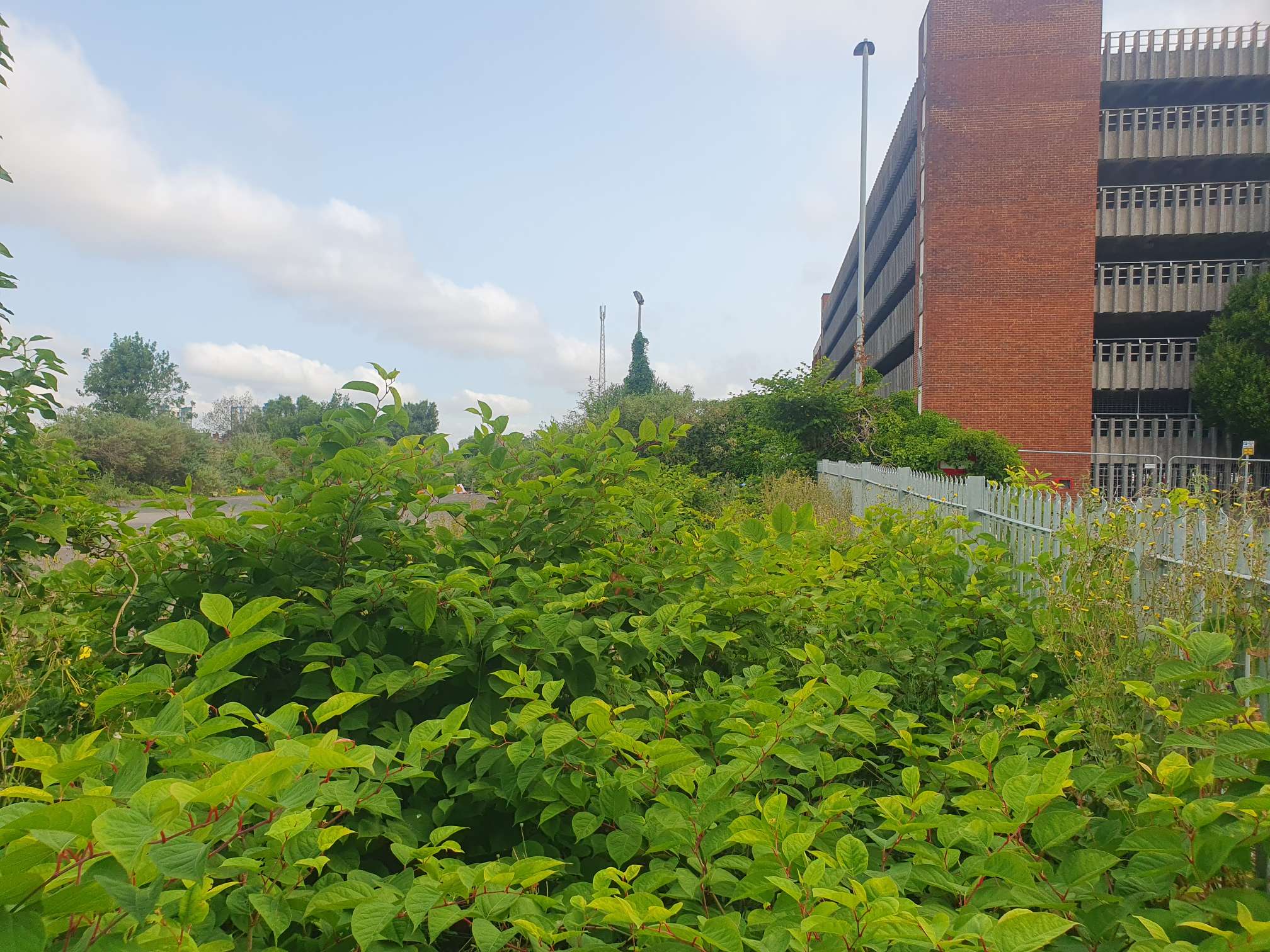
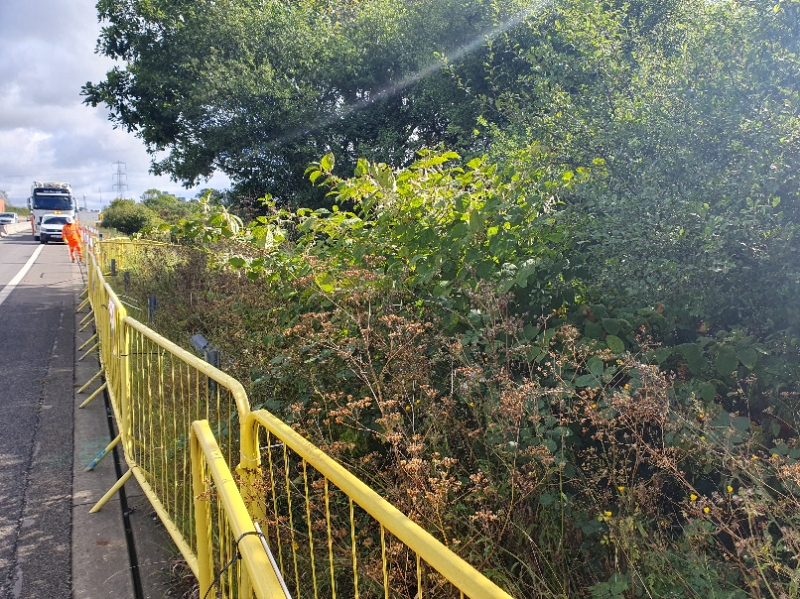
Knotweed is commonly found on former industrial land, rail corridors, ports, utility land and regeneration sites. Because it spreads via historic soil disturbance, brownfield projects carry increased exposure. If discovered late, knotweed can require redesign of working areas, segregation zones or revised material management strategies.
On commercial sites, knotweed can:
Early identification protects programme certainty and budget control.
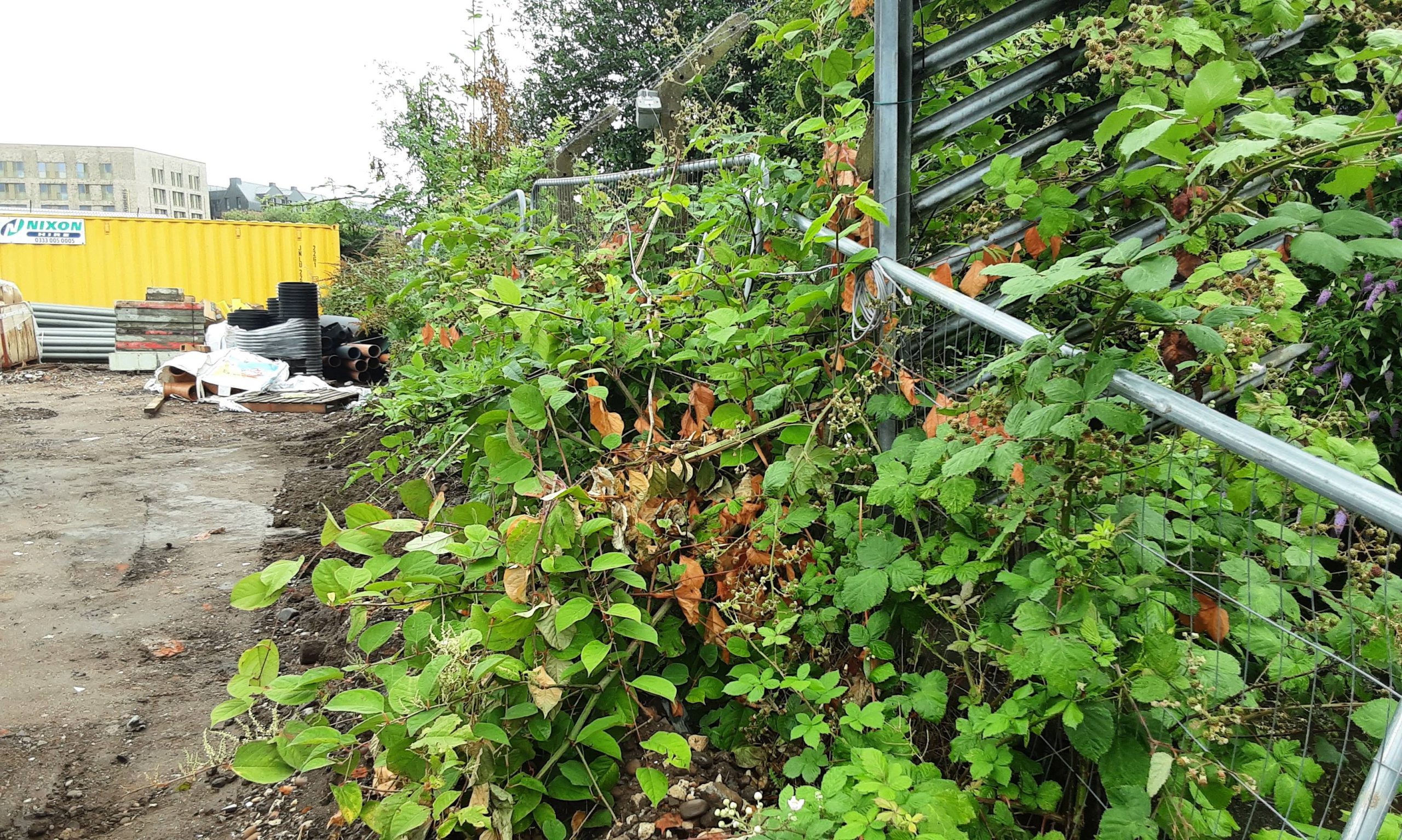
Uncontrolled excavation through knotweed-contaminated soil can constitute unlawful spread. This may halt works while environmental controls are implemented.
To protect new projects we advise developers to:
Structured planning avoids reactive cost escalation – it’s always better to be pro-active.
Japanese knotweed is regulated under several pieces of legislation relevant to construction and land development.
Wildlife and Countryside Act 1981
Because is an offence to cause Japanese knotweed to spread into the wild construction activities that move contaminated soil off-site or beyond defined zones must be carefully controlled.
Environmental Protection Act 1990
Knotweed-contaminated soil is classed as controlled waste, therefore it must be transported by licensed carriers and disposed of at authorised facilities unless lawfully reused under an agreed management strategy.
Civil Liability
Developers and landowners may face nuisance claims if knotweed spreads to neighbouring land or causes measurable loss. Due diligence and documented management are key to risk mitigation.
During land acquisition, refinancing or forward funding arrangements, environmental due diligence may flag invasive species risk.
Failure to identify knotweed pre-purchase can result in:
A documented survey and management strategy supports investor confidence and lender requirements.

To manage Japanese knotweed risk effectively on commercial projects we recommend:
Knotweed management should sit within the wider Construction Phase Plan and environmental management framework.

Can Japanese knotweed stop a construction project?
Yes, if discovered during groundworks without a management plan in place. Works may need to pause while containment and disposal measures are implemented.
Is it illegal to excavate soil containing knotweed?
It is not illegal to excavate, but it is illegal to cause the plant to spread. Contaminated soil must be handled, transported and disposed of in accordance with environmental legislation.
Does Japanese knotweed affect commercial land value?
It can influence land value depending on extent and remediation cost. However, sites with a documented and funded management strategy are generally considered manageable development risks.
Can knotweed soil be reused on-site?
Yes, under a properly designed and documented management strategy such as on-site burial or relocation to a defined receptor area, subject to regulatory compliance.
Who is responsible for managing knotweed on development land?
Responsibility typically rests with the landowner or developer until formally transferred. Contractors also have duties to prevent spread during construction works.
Japanese knotweed is manageable when identified early and integrated into your development strategy. The greatest risk arises from late discovery and reactive decision-making.
If you are acquiring, planning or delivering a commercial project, speak to our team about construction-led knotweed management solutions that protect programme, compliance and asset value.














Discover why regular H&S meetings ensure safe, compliant knotweed management on construction sites, reducing risk, preventing delays, and protecting project programmes.
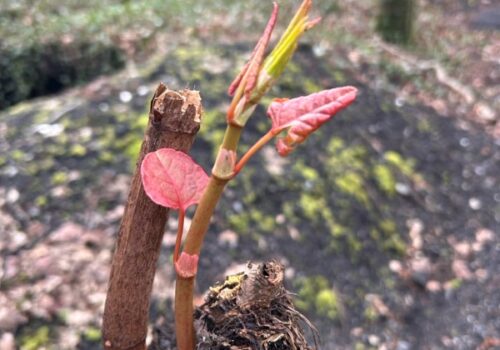
In this Japanese knotweed: Spring ID & removal guide learn how to identify and manage knotweed effectively. Protect your property from this invasive plant.