

Ben Lindley, Company Director at Japanese Knotweed Ltd.
Last reviewed on .
Your main concerns as a business owner with knotweed
In this article we’ll provide help and guidance on the best way to control knotweed on commercial property. We address the key concerns of business risk, legal implications and operational delay.
1. BUSINESS RISK
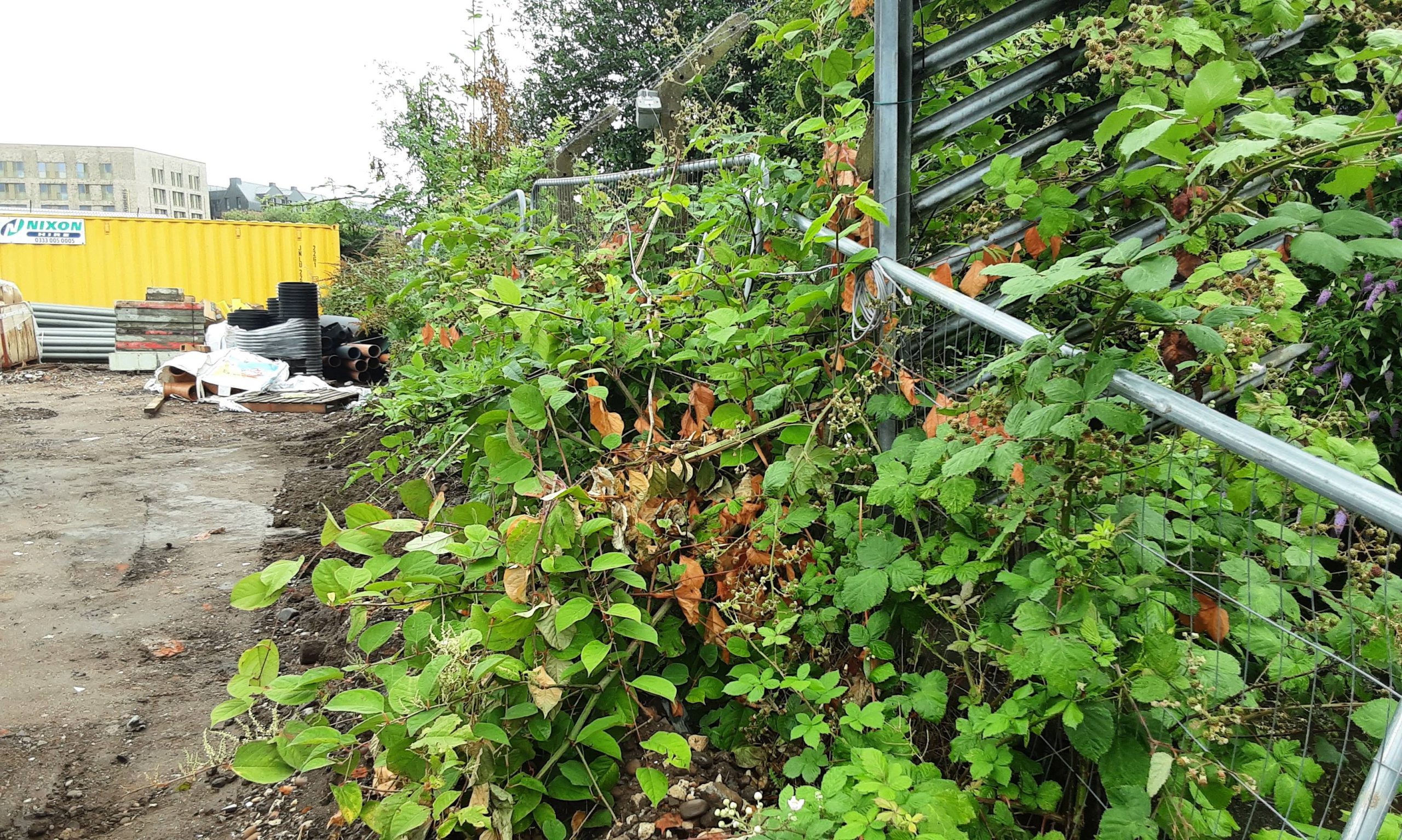
What to do if you suspect Japanese knotweed. The main concern as a business regarding Japanese knotweed is the significant financial and legal risk it poses. Knotweed can cause costly damage to buildings and infrastructure, delay or halt development projects, and lead to substantial expenses for removal and remediation. Its presence can decrease property values, make it difficult to secure mortgages, and deter buyers or investors.
Concerns of risk to your business
- You’ll want to know about effective treatment methods, how long eradication will take, and whether all knotweed can be removed.
The best form of control is a herbicide treatment plan, which over time puts the plant into a dormant state. Excavation is the best option if knotweed needs to be permanently removed from site – for instance on land planned for development. - Why a knotweed management plan is required.
A knotweed treatment plan, usually spanning several years, is often required for effective knotweed control and to satisfy investors and insurers. The plan should come with an insurance backed guarantee.
2. LEGAL IMPLICATIONS
From a legal perspective, you are responsible for preventing knotweed from spreading beyond your property boundaries. If knotweed encroaches onto neighbouring land, businesses can face private nuisance claims, fines, or even prosecution under the Wildlife and Countryside Act 1981 and other regulations. Local authorities may also issue enforcement notices, and non-compliance can result in further penalties.
Concerns of Knotweed laws
- Your legal responsibility as a business owner.
While it is not illegal to have knotweed on your land, businesses must prevent it from spreading to neighbouring properties or the wild, as required by the Wildlife and Countryside Act 1981. - How to get rid of it.
Businesses are responsible for ensuring knotweed is not disposed of improperly; it must be treated as controlled waste and sent to licensed facilities – by a licensed contractor holding a waste carrier’s license. - The consequences.
Failure to control knotweed can lead to civil claims for nuisance, fines, or injunctions if it encroaches on neighbouring land.
3. OPERATIONAL DELAY
Operationally, discovering knotweed on a commercial site can force project delays, site closures, and increased costs, impacting your business continuity and profitability. As a result, you may thinking about early detection, professional management, and compliance with legal obligations to minimise these risks.
Concerns of impact on project delivery
- What to do if knotweed is suspected – of identified on site.
Discovery of knotweed can halt construction, require site closures, and disrupt project timelines, leading to financial and reputational impacts. - How to minimise downtime and manage risks associated with project delays.
Early detection will reduce risk of project downtime and long-term delays. Getting a pre-purchase or pre-planning survey can help to make informed decisions and assist with project budgeting.
If you have a question for our team about any of the above please get in touch – we’re here to help with identification, treatment, removal and legal advice.