

Ben Lindley, Company Director at Japanese Knotweed Ltd.
Last reviewed on .
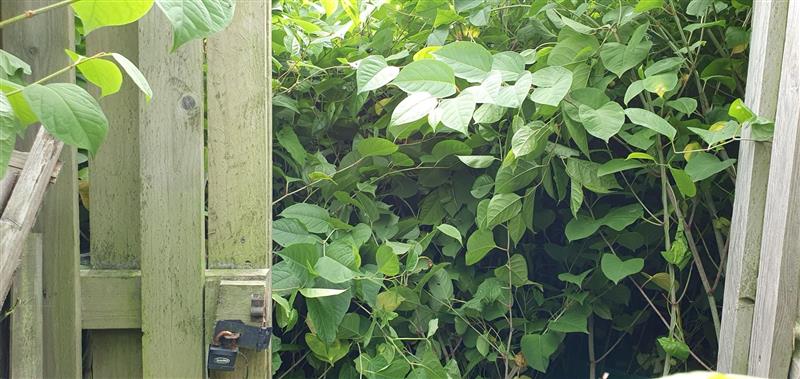
Discover what to do if you have knotweed
Japanese knotweed can cause serious issues – here’s a simple 7 step guide that explains in simple terms what to do if you have knotweed.
If you suspect Japanese knotweed is present on your property, follow these steps:
1. Do Not Disturb the Plant:
Avoid cutting, digging, or attempting to remove the knotweed yourself. Even small fragments can regrow and improper handling can worsen the problem or spread the plant further.
2. Confirm Identification:
Use reputable resources for identification, and seek a professional identification service if you are unsure.
3. Inform Others:
If you have workers or contractors on site, let them know about the possible infestation to prevent accidental spread, and if you’re certain it could be knotweed place the project on hold and contact a knotweed specialist.
4. Follow Legal Guidance:
The law states that you are legally responsible for preventing the spread of knotweed from your property. If you need to dispose of knotweed or contaminated soil, it must be treated as controlled waste and handled by licensed waste carriers to permitted landfill facilities. You must not put knotweed in your green bin, compost, or general waste.
5. Contact a Specialist:
The most effective and safest approach is to hire a professional contractor who specialises in Japanese knotweed removal. Look for contractors accredited by the Property Care Association (PCA) or similar trade bodies, as they can provide treatment plans, risk assessments, and insurance-backed guarantees which are important if you plan to sell your property or need to satisfy mortgage lenders. If you need the knotweed gone ask about excavation and disposal.
6. Monitor and Document:
Keep records of identification, treatment, and disposal. This documentation may be important for future property transactions or if issues arise with neighbours.
7. If Knotweed Is on a Neighbour’s Land:
If the knotweed is coming from a neighbouring property, discuss the issue with your neighbour. If they are uncooperative, you can contact a knotweed specialist for advice.
What to do if you have knotweed – Summary:
- Do not disturb
- Do not attempt DIY removal.
- Confirm identification
- Hire a professional.
- Inform those on site
- Follow legal disposal requirements.
This approach protects you from legal liability and increases the chances of successful eradication.