

Ben Lindley, Company Director at Japanese Knotweed Ltd.
Last reviewed on .
There is a growing trend for homeowners, commercial landowners and businesses to attempt self-treating knotweed (the DIY option) – and knotweed specialists are coming to the rescue when it goes wrong. The idea that knotweed can be removed by DIY methods is a common myth.
So can you get rid of knotweed yourself? In this blog we explore why knotweed control carried out by unqualified individuals often backfires and what to consider. The answers may surprise you!
But first let’s tackle the questions and theories most people have on knotweed.
Can I buy herbicide and spray it myself?
Not all herbicides are the same, and not all invasive plants (or weeds) react to them in the same way. Yes, homeowners can legally and effectively use herbicides like glyphosate themselves, but only if they follow all product label instructions and safety guidelines. Glyphosate-based products (such as Roundup) are widely available for weed control use and do not require special certification for purchase or application.
But (and it’s a big ‘but’) if you don’t know how to use over the counter herbicides properly, there are consequences:
- If you make a mistake with herbicide to water ratios, you could end up using too little and efforts costing money that end up being almost completely ineffective.
- Using too much herbicide is just as bad – it puts knotweed into survival mode, so it will grow even more. It ends up being a bit like fertilising your soil!. It ends up being a bit like fertilising your soil!
- Spraying in poor conditions or failing to wear protective gear can pose risks to people, pets, and the environment.
- Health risks – if you’re not trained and qualified to use herbicides correctly, direct exposure can irritate your eyes, skin, nose, and throat.
- Killing off your plants – yes this can happen if you don’t know what you’re doing (and are not trained to use the kit correctly) whilst spraying.
There’s plenty of other DIY methods I could try that are effective?
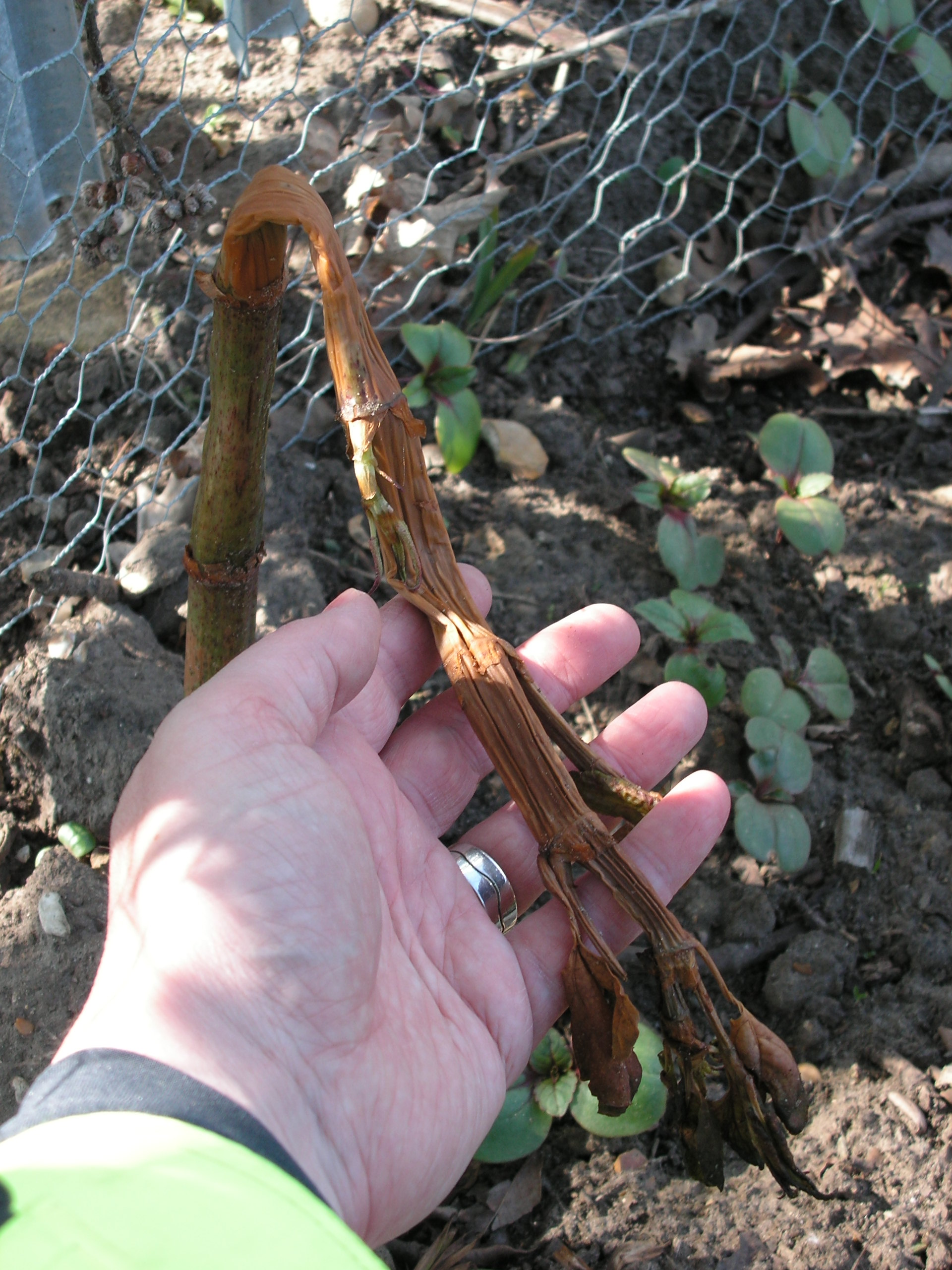
- Cutting knotweed down is equivalent to dead-heading summer plants to get more flowers – it encourages knotweed to put their energy into new above ground growth.
- Burning, bleaching, diesel or petrol – all of which will only destroy the above ground parts of the plant, leaving the underground rhizome network thriving and rapidly replacing the plants’ growth.
- Burying it – is allowed on your own property but under strict government guidelines (including using a suitable membrane barrier and to the correct depth) and, you must notify the Environment Agency at least one month before you bury the knotweed.
- Binning or composting – should never be done. Knotweed is listed on Schedule 9 of the Wildlife & Countryside Act which means it is classed as ‘noxious waste’ so it simply cannot be thrown away, and any attempt to turn it into garden mulch will just be spreading more knotweed on your land, giving it free reign to go forth and multiply.
Ok, so why should I not try to get rid of knotweed myself?
It’s risky! Tackling knotweed yourself often ineffective, and can lead to legal, financial, and environmental problems. Professional removal is strongly recommended for safe, thorough, and compliant eradication.
It’ll make a bigger problem down the line! While DIY might seem cheaper, failed attempts can make the problem worse and more expensive to fix in the long run. Professional removal, though more costly up front, is faster and more likely to provide a permanent solution.
You’ll never get rid of it! DIY methods often fail to eradicate Japanese knotweed because of the plant’s exceptionally resilient root system. Knotweed’s roots (rhizomes) can extend several metres deep and wide, and even tiny fragments left in the soil can regenerate into new plants. This resilience is due to the root system’s ability to adapt, anchor securely, and survive adverse conditions by storing energy and nutrients underground.

Would you be able to identify the knotweed rhizomes in this image?
When you attempt to dig up or cut knotweed yourself, it’s extremely difficult to remove every piece of rhizome. Any missed fragment, no matter how small, can regrow and quickly re-establish the infestation. The plant’s root architecture is highly ‘plastic’, meaning it can change and adapt in response to environmental challenges, making it even harder to eliminate through physical or chemical DIY methods.
In summary, knotweed’s deep, extensive, and adaptable root system makes complete removal by non-professionals nearly impossible – leading to frequent regrowth and spread after DIY attempts.
Can you get rid of knotweed yourself? – CONCLUSION
The answer simply is “no” – don’t waste your time, money and effort trying to get rid of knotweed yourself, whether you’re a homeowner, landlord, business or commercial entity – you should always use a qualified contractor – it’s never too late to call in the experts.