

Killing japanese knotweed
Can Japanese knotweed be ‘killed’, burnt, destroyed with bleach or smothered? Read on to find out the answer to those questions and more!
Japanese knotweed is an incredibly resilient plant species that can withstand almost any conditions. If left uncontrolled it can lead to legal encroachment cases where knotweed spreads onto neighbouring properties or construction projects being placed on hold. But can knotweed be ‘killed’? Let’s find out.
common myths about killing knotweed
Contrary to popular belief, diesel does not kill Japanese knotweed. Whilst it may look like it is doing damage by distorting the top growth, the rhizomes in the soil will not be affected. This means, after a certain period, new top growth will appear and grow just as prominent as before. Even if you cut the stems and pour diesel into the top, the underground rhizome system will still regrow. In addition to this the surrounding soils will be polluted with risk of diesel, which is toxic to humans and animals, soaking into the groundwater. Most importantly this or any use of diesel other than its intended purpose is completely unethical and, in many situations, illegal.
Bleach is another chemical that is ineffective and causes other additional problems to the environment. Cutting stems and pouring bleach down them will damage the top growth, but the rhizomes will not be affected. If bleach seeps into a pond or watercourse, it’s highly toxic to aquatic life, and if it seeps into soils it can damage surrounding plants, causing more harm than good.
Whilst burning Japanese knotweed may remove the top growth, it won’t have any effect on rhizome growth. The top growth will die back, and the plant may appear to be dead, but the rhizome will be unaffected and will ultimately produce new above-ground stem growth. So, burning knotweed will inevitably just leave a black patch of land on your property, which will eventually return to Japanese knotweed growth.
Some people try smothering knotweed with plastic sheeting, but this will just encourage lateral growth, and any tiny tear in the plastic will allow shoots to grow through – and you’re left with an even bigger problem!
Get a quote to remove knotweed
The answer is excavation
Excavation is the best option for homeowners, landowners, developers and commercial businesses needing to remove Japanese knotweed for good. The only way to get rid of Japanese knotweed once and for all is to remove the contaminated ground.
Japanese knotweed is capable of growing new shoots from its underground rhizome (root) network. Even a tiny piece as small as 0.5g is capable of allowing the infestation to regrow. With root systems that bury deep into the ground, excavation of the contaminated soil is the best way to completely remove the infestation.

Controlling Knotweed with herbicides
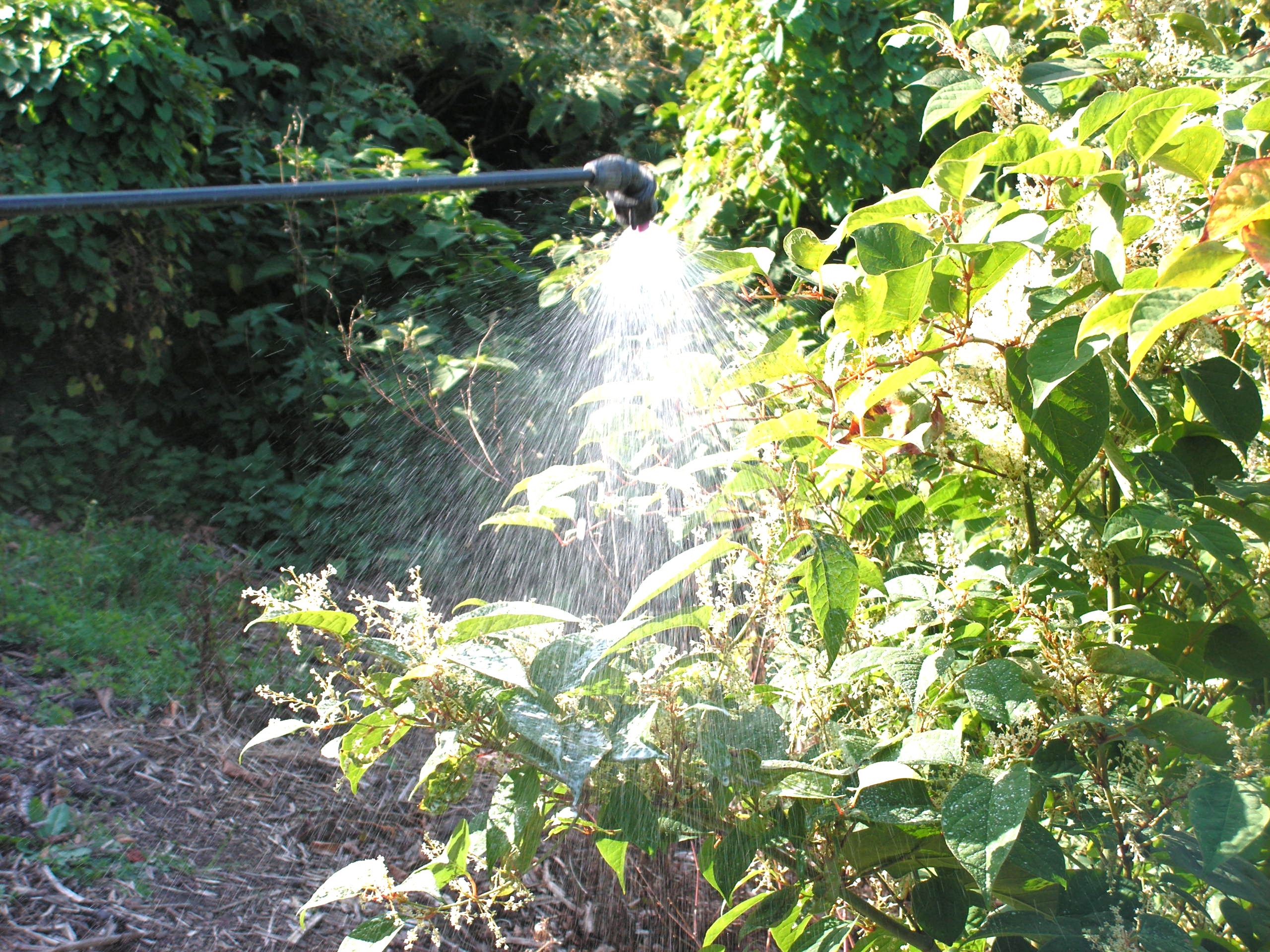
An alternative and highly effective option is Chemical Treatment (herbicide). A herbicide programme will control knotweed growth and stop the spread. Over the course of the plan, the treatment programme will prevent the plant producing aerial growth and additionally, prevent the rhizomes from growing further, as the herbicide exhausts the plant’s ability to grow and will force it into a dormant state.
Treatment methods include herbicide spray, stem injection and leaf wiping. Our herbicide programmes are packaged within a Knotweed Management Plan (KMP), which comes with an Insurance Backed Guarantee. If the knotweed area is likely to be disturbed physical removal of the knotweed may be required instead.
KNOTWEED REMOVAL COSTS
The average cost to remove Japanese knotweed varies, depending on the methods involved and the size of the affected areas. If it is identified and dealt with promptly, the costs of removing Japanese knotweed can be kept to a minimum. Long-term herbicide treatment is usually the most cost-effective control method. Our professionally delivered herbicide treatment programme will provide successful chemical control of Japanese knotweed within a period of 3-7 years.
Excavation of Japanese knotweed costs more than herbicide treatment due to labour, materials, waste removal and reinstatement costs. However, it ensures complete Japanese knotweed removal allowing free use or development of the property or land. We provide cost-efficient excavation due to our extensive experience whilst minimising waste volumes.
Following our professional surveys we will provide you with a no-nonsense, comprehensive report with no-obligation recommendations and quotes.

JAPANESE KNOTWEED DIY
There are lots of theories on the internet about how to remove Japanese knotweed – from using a lawnmower to using a flamethrower. The truth is that there is no way to deal with Japanese knotweed yourself. You need to have a plan in place for professionals to control or excavate it to get rid of it once-and-for-all.
As knotweed is an invasive species that is classed as “Controlled Waste” it can only be removed by licenced organisations. It must be disposed of safely at a licenced landfill site by a registered waste carrier. Carelessly disposed of, knotweed can cause a new infestation, meaning it cannot be binned, composted or dumped. Due to this, and the legal issues surrounding knotweed, we do not advise you try to undertake this operation yourself. Contact us instead.
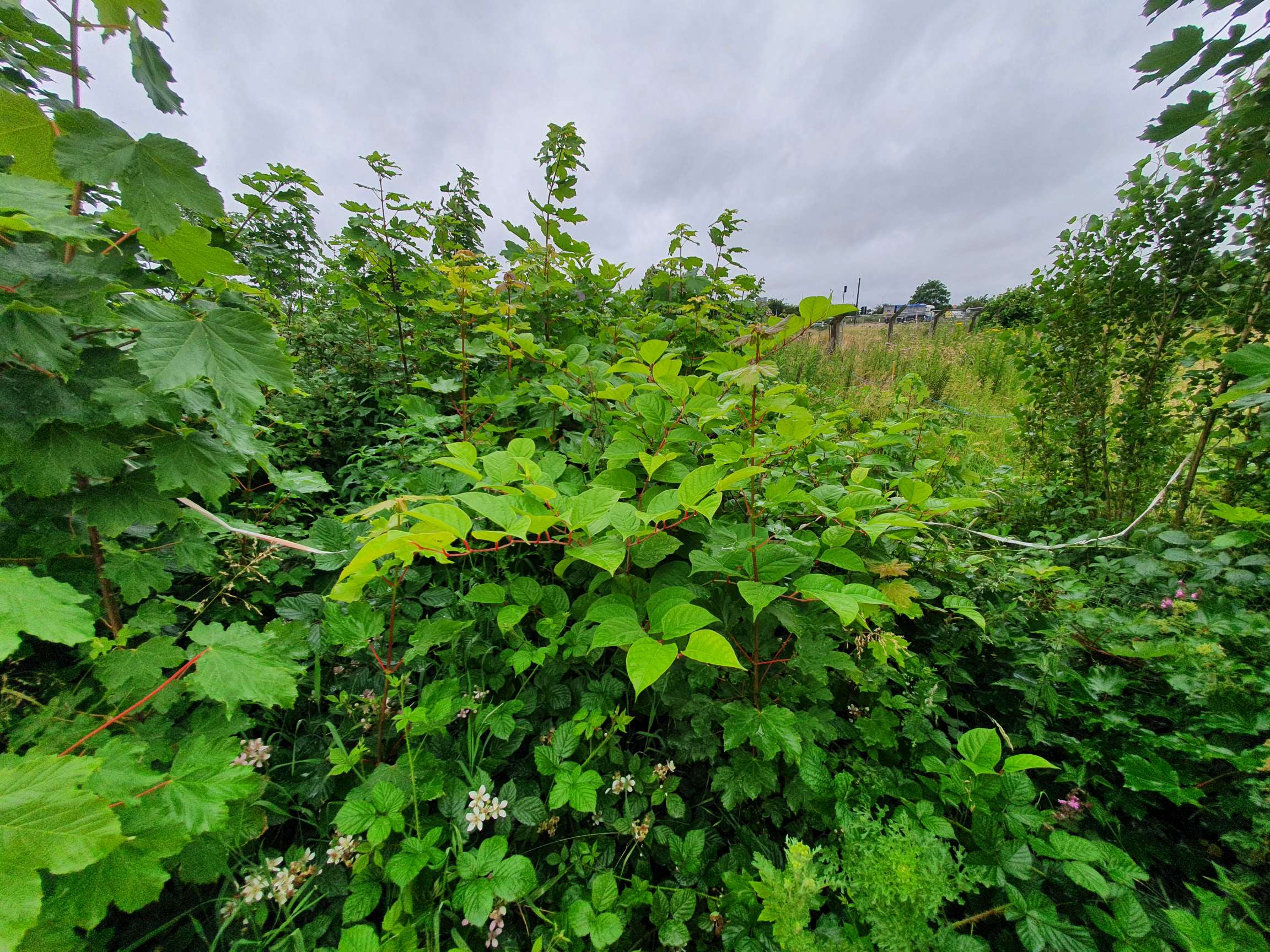
Find out if you have knotweed
Why choose us
- national coverage
- Site-specific solution
- PCA members
- Fully accredited services

Our top clients