

Ben Lindley, Company Director at Japanese Knotweed Ltd. Last reviewed on 9th November 2026.
The Knotweed Lurking Beneath
As autumn settles in, you might think your Japanese knotweed problem is dying off with the changing leaves. But the truth is far more sinister – Japanese knotweed doesn’t die in the colder months, it simply slumbers underground, waiting for spring to return stronger than ever.
Avoid a Spring Knotweed Disaster
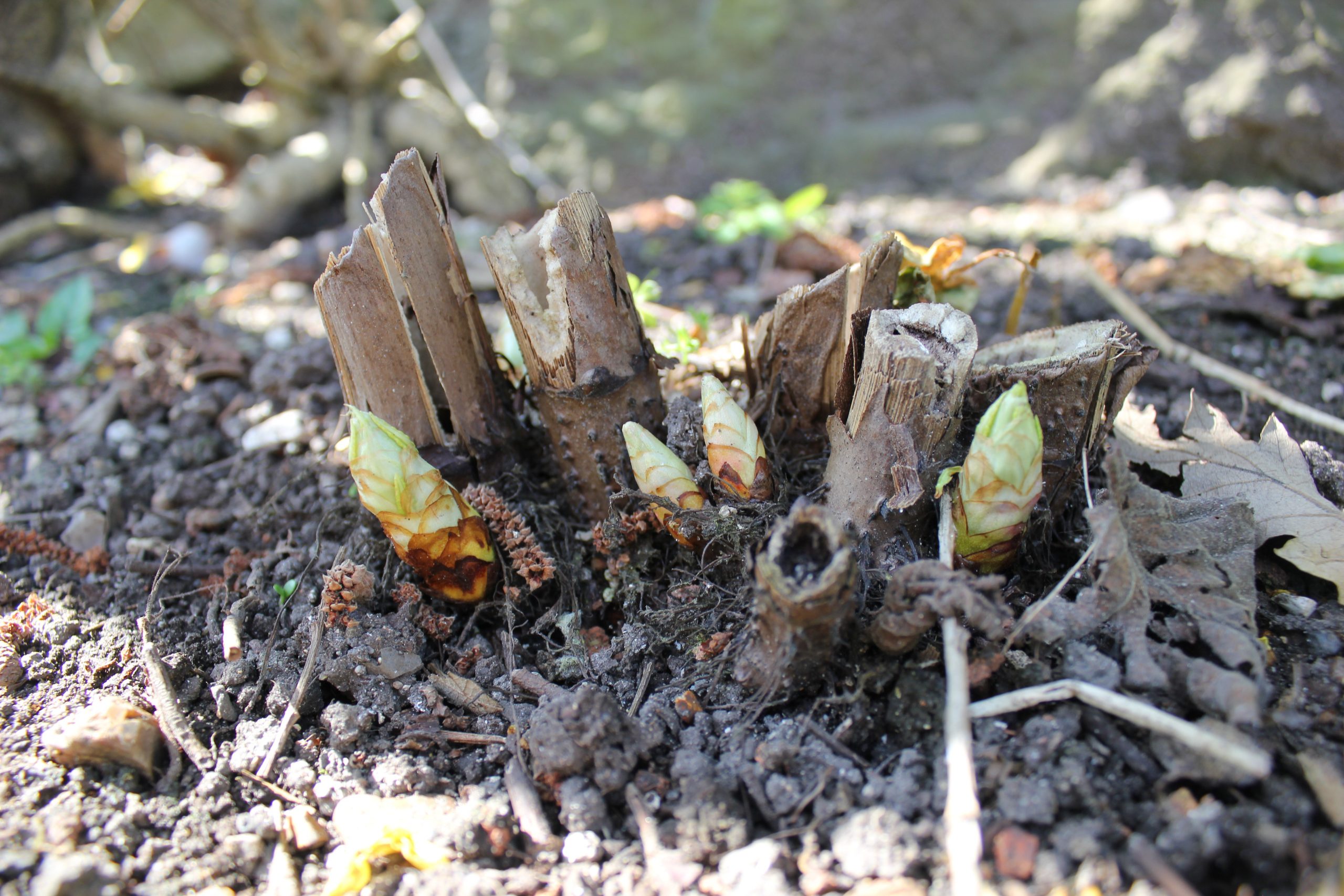
While the plant above ground may seem to be dead, its roots – known as rhizomes – are very much alive, storing energy in preparation for the warmer months. This hidden horror lurks beneath the surface, ready to burst forth with renewed vigour as soon as the weather turns. Japanese knotweed shoots can start to appear as early as January, catching many homeowners off guard and leading to costly delays in property sales.
Here’s what could happen:
- Property owners can experience issues such as delays or failed property sales.
- Construction and development projects can be put on immediate hold until the knotweed is fully removed.
- Property management agents could be struck with an untimely addition to their yearly budget.
- Private landowners and estate managers will need to factor in control or eradication measures to avoid encroachment issues.
This is why autumn is the best time to treat Japanese knotweed. The plant is sending all its energy from the leaves into its roots ready for storage over the colder months, making it the ideal moment to apply herbicide, which will be carried along with the nutrients deep into the rhizome core. Waiting until the following season just delays this approach, as in spring the untreated Japanese knotweed rhizomes will reawaken and send up more new shoots with renewed growth. A knotweed infestation will get progressively harder and more expensive to control with each season of growth.
How to Identify Japanese Knotweed in Autumn
Recognising knotweed in autumn can be tricky, but there are some tell-tale signs to watch for:
- Brittle brown canes – In autumn, knotweed stems turn brown, becoming hollow and brittle. They often look like dead bamboo.
- Golden or fallen leaves – The green heart-shaped leaves of summer turn yellow and drop off, leaving behind the distinctive zig-zag pattern of the stems.
- Hollow stems – If you break a stem, you’ll find it hollow, which is a key characteristic of knotweed.
- Clusters of canes – Even though the plant above ground may look dead, you’ll often see dense clusters of canes standing at around 1-2 metres in height.
Not sure if what you’re seeing is knotweed? You don’t have to figure it out on your own. Use our free identification service to upload photos of the suspicious plant and get expert confirmation.

Why Act Now?
Don’t wait for a spring disaster. Knotweed, if left untreated, can cause significant structural damage to your home, driveways, and garden walls. By acting in autumn, you can get ahead of the problem and save yourself from much bigger headaches down the road.
- Herbicide treatments work best in autumn – Knotweed focuses its energy into its roots during this time, making herbicide applications more effective than any other season.
- Plan ahead for spring – When knotweed growth starts again in early spring, you’ll be ready and in control.
- Protect your property value – A proactive approach now will help ensure your property’s value isn’t affected by knotweed when it comes time to sell.
Take action today: Book your knotweed survey this autumn and ensure you’re prepared for the months ahead. Don’t leave it to chance – avoid a spring knotweed disaster by dealing with the problem while it’s still dormant.